The Twin Cities
Minneapolis and St. Paul on the Mississippi. Minneapolis and St. Paul face each other across the Mississippi River in Minnesota. Here is how the Twin Cities grew up together and how they differ.
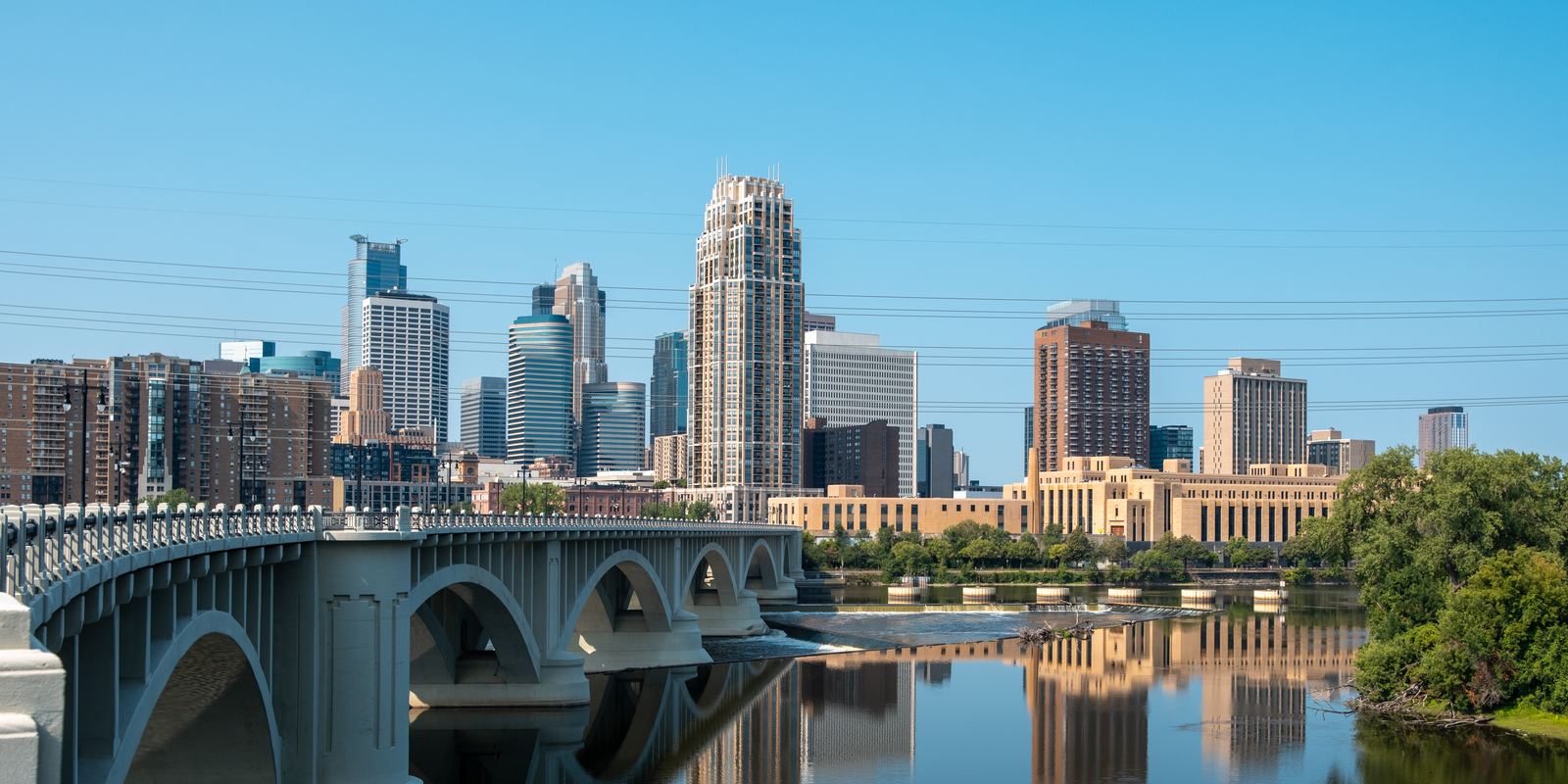
Minneapolis on the Mississippi: Guywelch2000, CC BY 4.0
Two cities, one river
Minneapolis and St. Paul sit next to each other in Minnesota, where the Mississippi River winds between them. Their downtowns are only about 15 kilometres apart, and together with their suburbs they form a metro area of more than three million people. Everyone simply calls them the Twin Cities.
Like many twins, they are close but very different in personality.
Minneapolis is also famous for music: Prince came from the city, and its scene gave the world the Minneapolis sound of the 1980s.
Growing up side by side
St. Paul grew first, in the 1840s, around a river landing that was the furthest point steamboats could easily reach on the upper Mississippi. Its first settlement had the nickname Pig's Eye, after a local tavern keeper, before it took its present name. St. Paul became Minnesota's capital and kept an older, stately feel, with Victorian mansions along Summit Avenue.
Minneapolis grew a little upriver around St. Anthony Falls, the only major waterfall on the Mississippi. Its power drove sawmills and then flour mills, and by the late 1800s Minneapolis was the flour-milling capital of the world. Its name blends the Dakota word for water with the Greek word polis, meaning city.
Friendly rivals
For years the two cities competed fiercely, even arguing over population counts. Today Minneapolis is the larger, with a busier downtown of glass towers, while St. Paul is known for its historic neighbourhoods and its Winter Carnival, one of the oldest winter festivals in the United States.
They share a light rail line, a big network of lakes, trails and parks, and sports teams. When a major league baseball team moved to Minnesota in 1961, it was named the Minnesota Twins, after the cities, and the team logo once showed two players shaking hands across the river.
Minnesota calls itself the Land of 10,000 Lakes, and Minneapolis has a chain of lakes inside the city linked by walking and cycling trails.
Visiting the Twin Cities
Visitors can walk across the Stone Arch Bridge in Minneapolis for views of the falls, explore the Mill City Museum in the ruins of an old flour mill, then head to St. Paul for the Science Museum of Minnesota on the river bluff. In winter, skyways, enclosed bridges between buildings, let you cross downtown without going outside.
The Twin Cities are a reminder that twins do not have to be identical. Two different personalities can grow up together and become better as a pair.
- Minneapolis on the Mississippi: Guywelch2000, CC BY 4.0
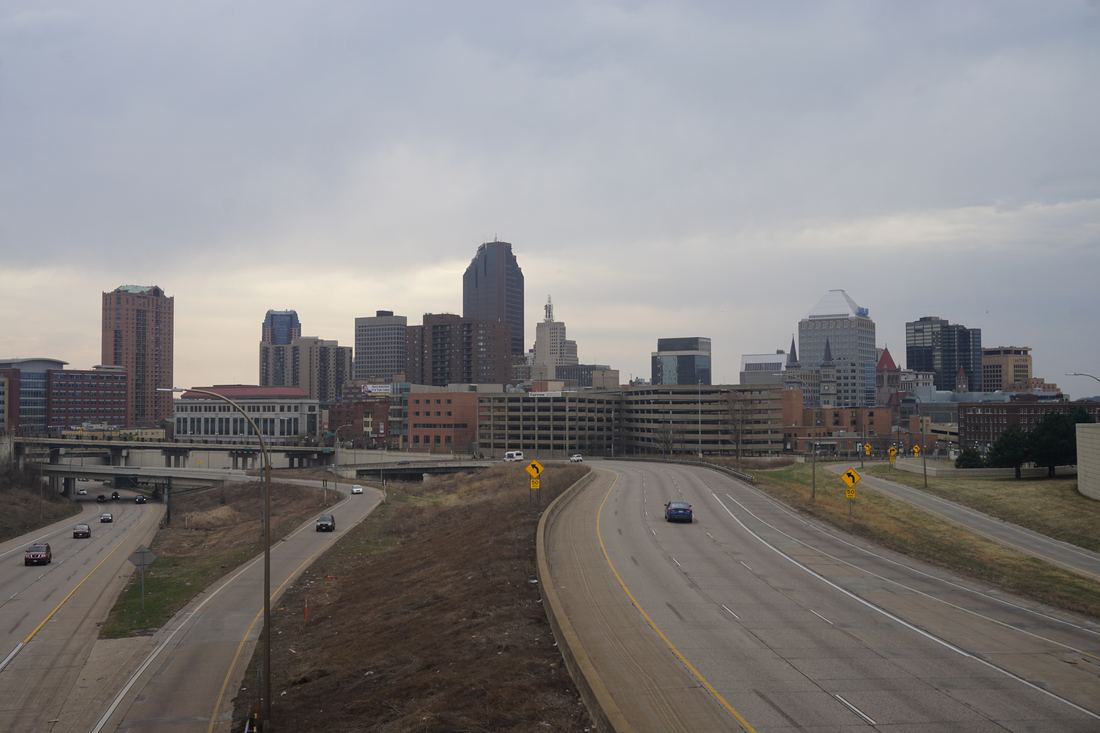
- St. Paul skyline: Michael Barera, CC BY-SA 4.0
Text written by Actual Twin.
← Baarle: Two Countries, One TownIdentical vs Fraternal Twins →