Mirror-Image Twins
Identical twins who reflect each other. Some identical twins are reversed copies: one left-handed, one right, hair whorls spinning opposite ways. What is known about mirror twins and what is not.
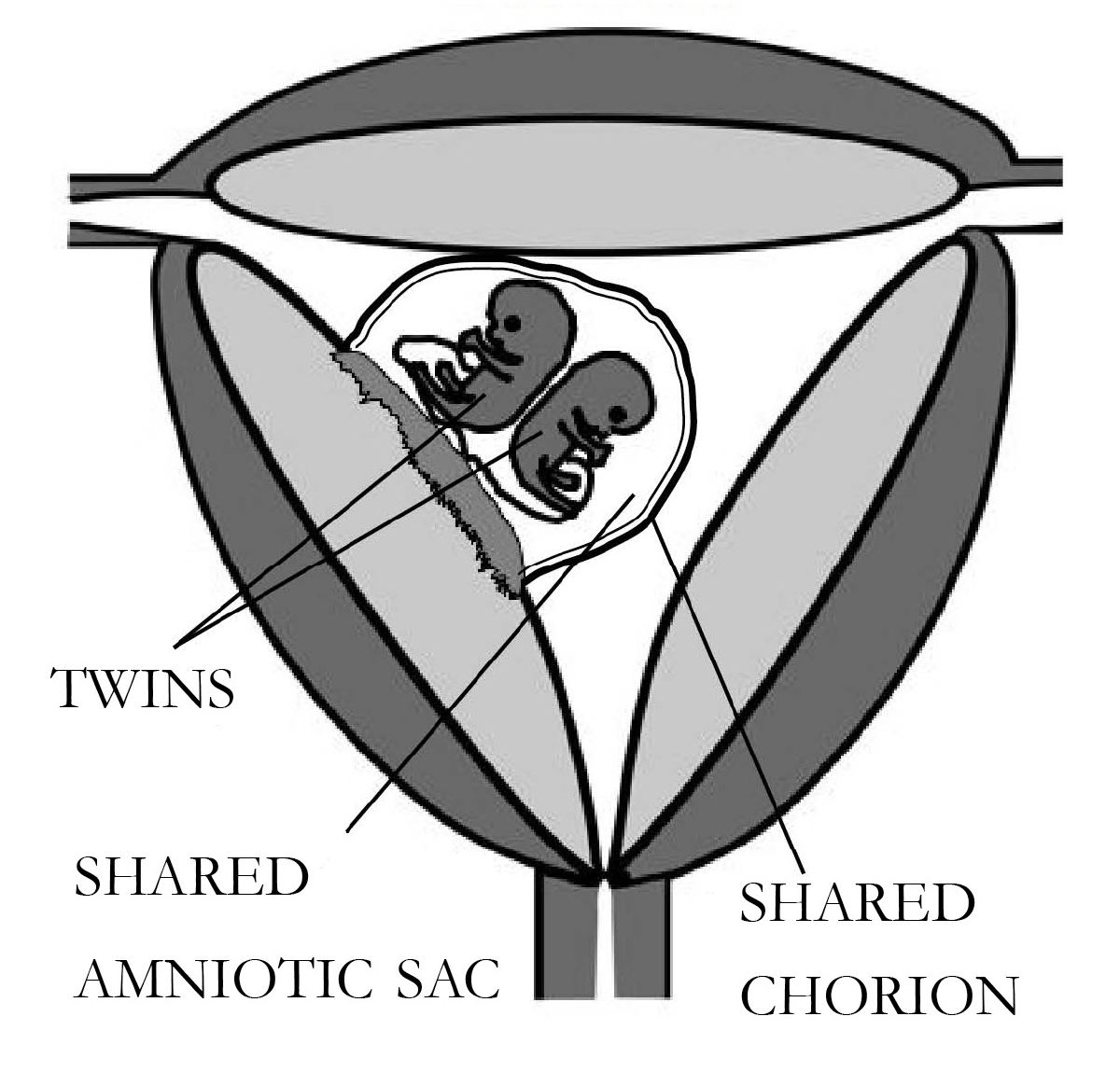
Identical twins sharing one sac, a setup linked to later splits: Altheahayton, CC BY-SA 3.0
A reflection, not a copy
Stand some identical twins face to face and they look like a person and their reflection. One writes with the left hand, the other with the right. One has a hair whorl that spins clockwise, the other counterclockwise. A birthmark, a dimple or a crooked tooth may turn up on opposite sides. These pairs are called mirror-image twins, and they are a special case of identical twins, not a separate type.
Why timing may matter
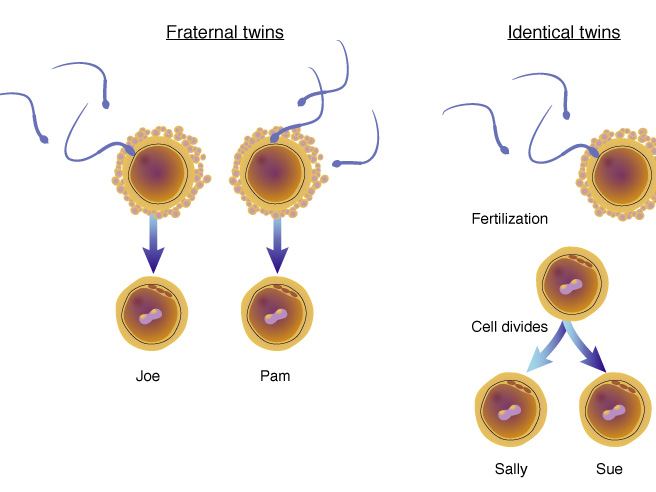
Identical twins form when one early embryo splits in two, and the timing of that split shapes the pregnancy. Twins that divide within about the first four days can grow separate placentas. Those that divide after the first week usually share a placenta and sometimes a single amniotic sac. If the split comes after about day 14, the twins are likely to be conjoined.
The leading explanation for mirror twins is a late split, roughly 9 to 12 days after fertilization. By then the embryo may have started to set up its left and right sides, so each twin inherits a pattern that runs the opposite way. It is a sensible idea that fits the observations, but it remains a hypothesis rather than a settled fact.
What science can and cannot say
There is no DNA test that labels twins as mirror image. Their genes are as identical as any other identical pair, so the label comes only from watching for reversed traits. That makes the category fuzzy. Handedness is shaped by many genes plus plenty of developmental chance, so two identical twins can easily differ in handedness without being true mirror twins. An older idea that a single gene controls handedness, hair whorl direction and organ placement is not supported by modern genetics.
Nobody has a solid figure for how common mirror twins are, and published estimates vary widely. Treat any precise percentage you read with caution.
The rare full reversal
In the most dramatic cases, the reversal goes deeper than the skin. Situs inversus is a condition in which the internal organs are flipped, with the heart leaning right and the liver on the left. Most people with situs inversus are not twins at all, but it has been reported in some mirror-image pairs. It is useful for doctors to know about, because it changes where they expect to find things on a scan.
For most families, though, mirror twinning is simply a fun puzzle: one twin parts their hair on the left, the other on the right, and both swear they never planned it.
- Identical twins sharing one sac, a setup linked to later splits: Altheahayton, CC BY-SA 3.0
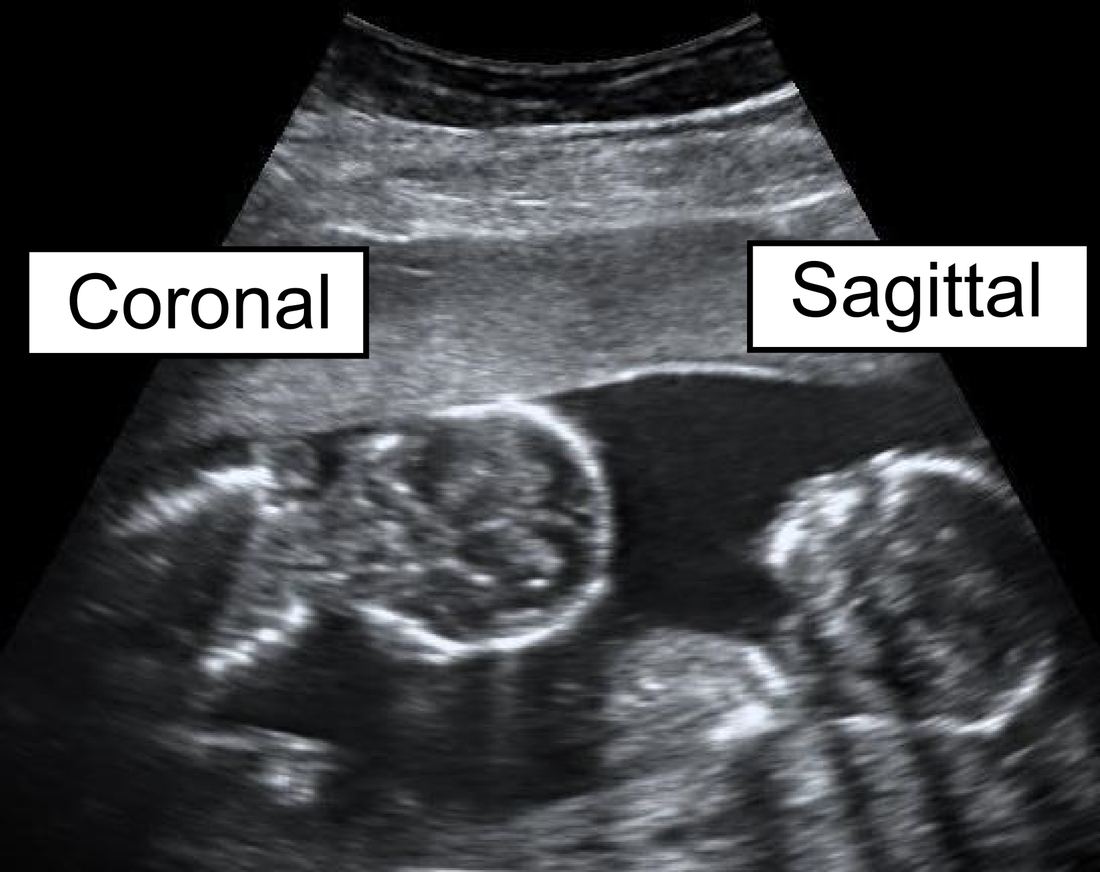
- Ultrasound of identical twins at 15 weeks: Mikael Häggström, CC0
Text written by Actual Twin.
← Identical vs Fraternal TwinsThe Twin Capitals of the World →