Do Identical Twins Share Fingerprints?
Same DNA, different fingertips. Identical twins share almost all their DNA, yet their fingerprints are always different. The reason lies in the busy, crowded weeks before birth.
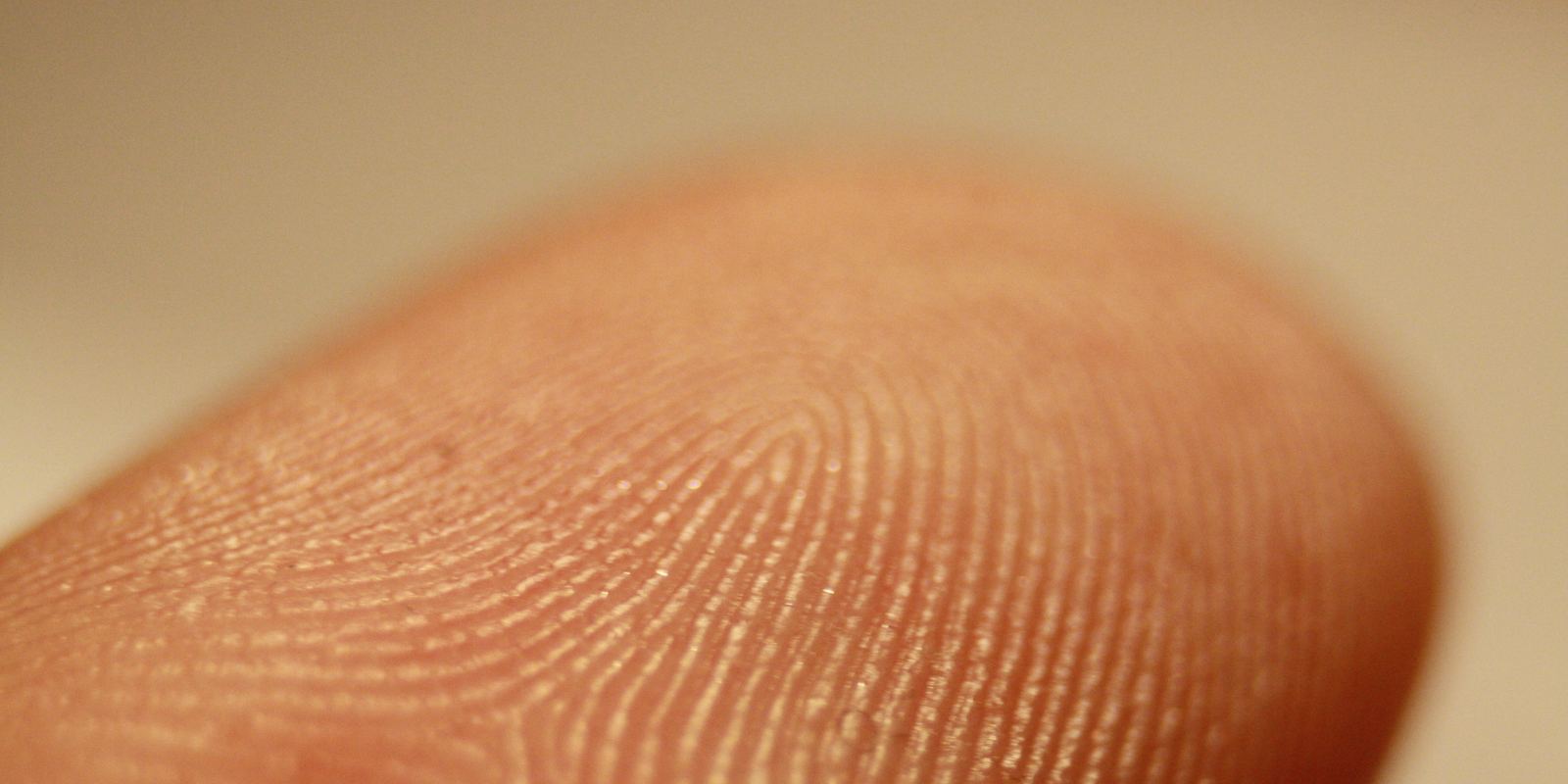
Fingerprint ridges: Frettie, CC BY 3.0
Same genes, different prints
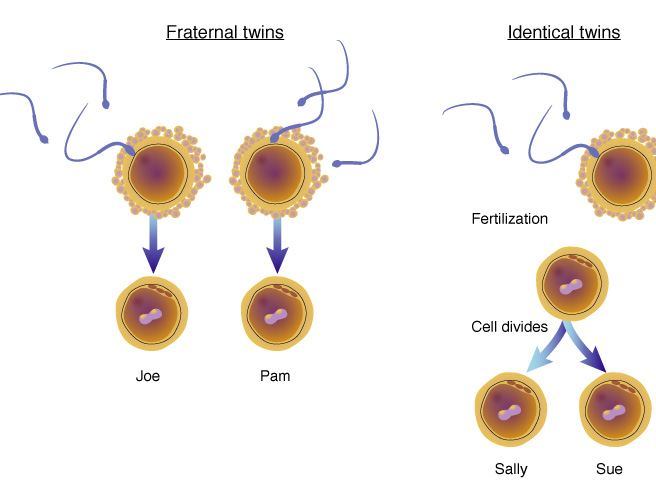
Identical twins form from one fertilised egg, so they start life with almost exactly the same DNA. It would be natural to expect identical fingerprints too. But no two people have ever been found with matching fingerprints, and that includes identical twins.
The general type of pattern on each finger, such as a loop, a whorl or an arch, is partly inherited, so identical twins often have similar-looking prints at a glance. The fine details that experts use to identify people, such as where ridges split, end or form tiny islands, are different.
Made in the womb
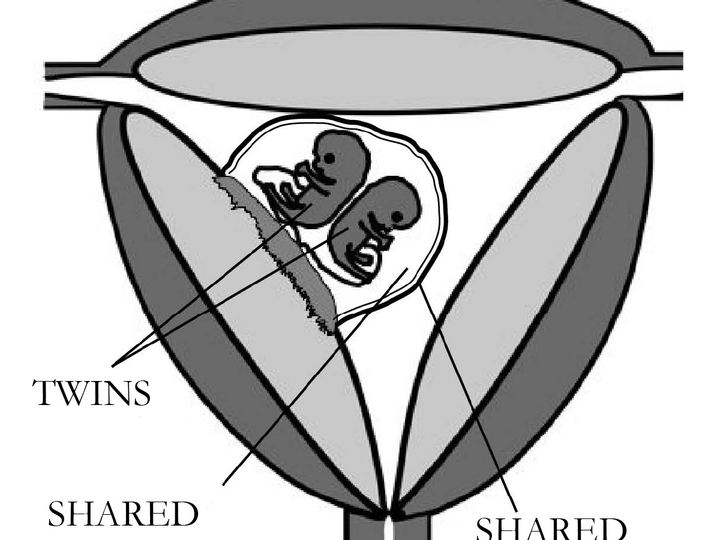
Fingerprint ridges form early in pregnancy, at roughly ten to sixteen weeks. During those weeks the skin on the fingertips is growing and buckling into ridges, a bit like a rug wrinkling when you push it.
The final pattern depends on many small, random things: the exact position of the baby, the pressure of the fluid around it, the length of the umbilical cord, how fast each finger is growing and even how the fingers touch the walls of the womb. Two twins in the same womb never experience exactly the same conditions, so they never end up with the same prints.
Where twins trip up DNA tests
The opposite problem shows up with DNA. Standard forensic DNA tests compare a handful of markers that are the same in identical twins, so they cannot tell the twins apart. Over the years this has caused real puzzles for investigators and courts.
Scientists have since shown that identical twins are not perfectly identical. Each twin picks up a few new genetic changes after the original egg splits. With very deep sequencing of the whole genome, researchers can sometimes find those tiny differences, though such testing is expensive and not routine.
Nature's ID card
Fingerprints are a neat example of how a body is not just a printout of its genes. Development adds its own randomness, and that randomness is part of what makes every person unique, even someone with an identical twin.
Try it yourself: press each fingertip on an ink pad or a soft pencil smudge, then onto paper, and compare prints with a twin, a sibling or a friend. You will see the family resemblance in the patterns, and the differences in the details.
Police have relied on fingerprints since the early 1900s, and pioneers such as Juan Vucetich in Argentina and the team at Scotland Yard in London built the first big fingerprint filing systems.
- Fingerprint ridges: Frettie, CC BY 3.0
Text written by Actual Twin.