Why Twins Run in Families
Genes, age, height and where you live. Fraternal twins really can run in families, through the mother's side. Here is what raises the chance of twins, and why identical twins are a lucky surprise.
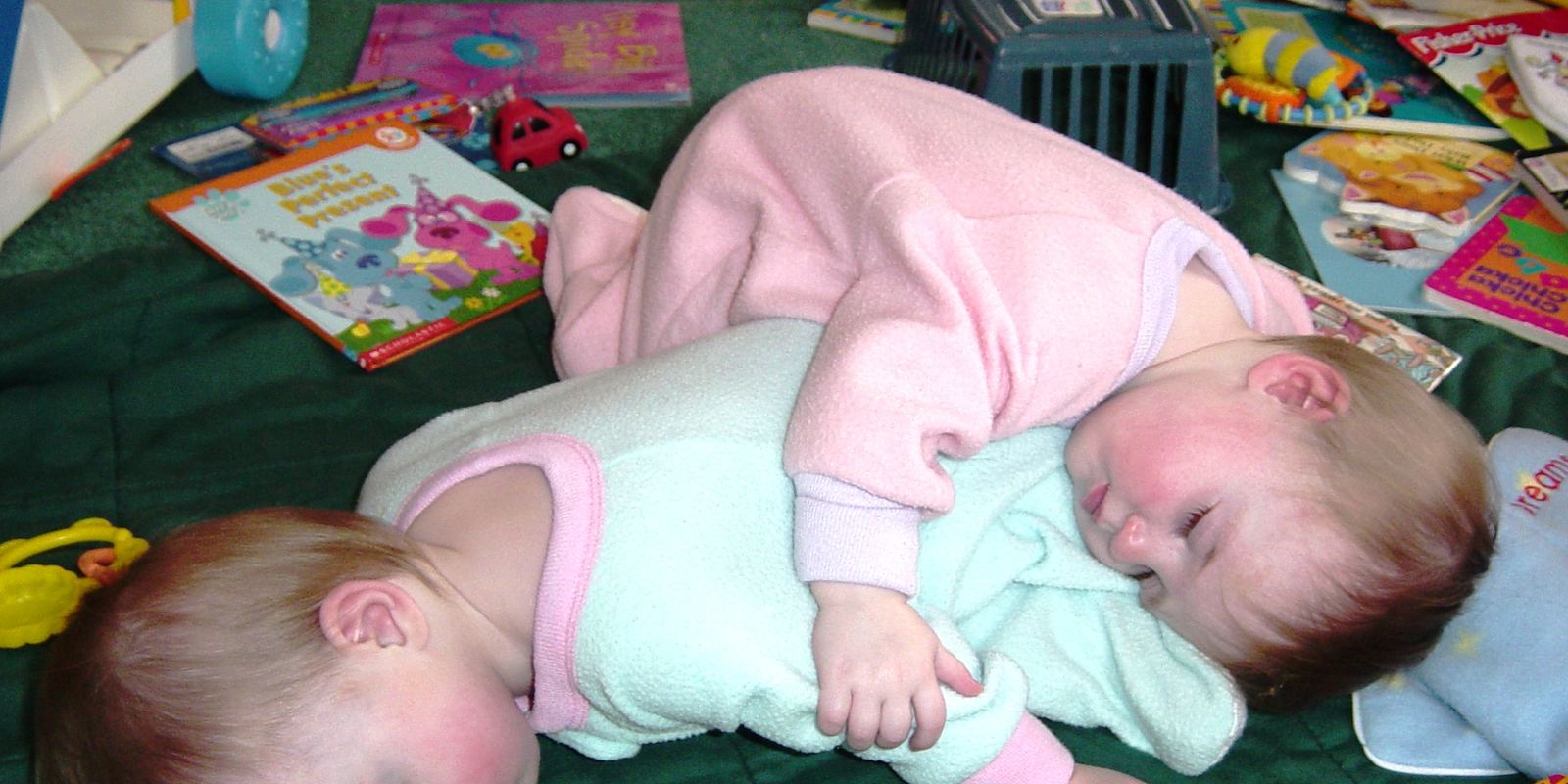
Baby twins: Photo by and ©2006 Dustin M. Ramsey (Kralizec!), CC BY-SA 2.5
Two kinds, two stories
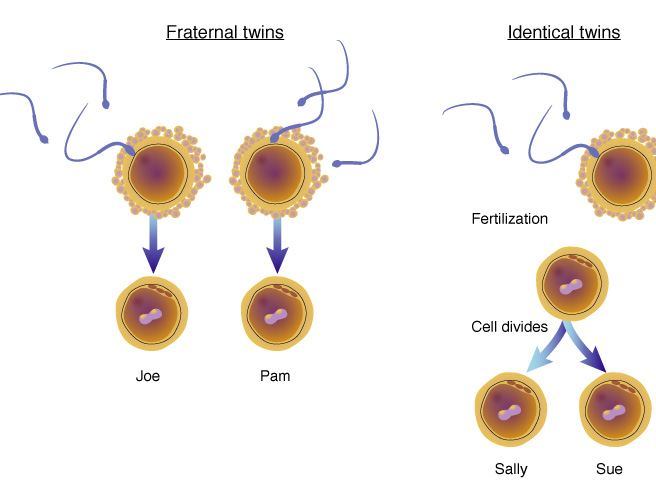
Identical twins happen when one fertilised egg splits into two embryos. As far as scientists can tell, this happens by chance, at about the same rate all over the world: roughly three to four in every 1,000 births. It does not run in families in any reliable way.
Fraternal twins are different. They form when a woman releases two eggs in the same cycle and both are fertilised. Some women are more likely to do this than others, and that tendency can be inherited.
Doctors call releasing more than one egg in a cycle hyperovulation.
The family connection
Because releasing two eggs is something the mother's body does, a family history of fraternal twins matters most on the mother's side. A woman whose mother or sister had fraternal twins has a higher chance of having them too.
A father can carry the same genes and pass them to his daughters, which is why twins sometimes seem to skip a generation. But his own chance of fathering twins does not go up, because he does not decide how many eggs are released.
Age, size and place
Several other things raise the chance of fraternal twins. Mothers in their 30s are more likely to release two eggs, because hormone levels that trigger ovulation rise with age. Taller women and women who have had several children also have slightly higher rates. Fertility treatments raise the chance too, especially when more than one embryo is transferred.
Where you live matters as well. Twin rates are highest in parts of West and Central Africa. The Yoruba people of southwestern Nigeria have long been known for an unusually high number of twin births. Rates are generally lower in East Asia and Latin America.
Diet has been suggested as a factor too, including the yams eaten in many Yoruba homes, but the evidence is still debated.
Twins on the rise, then a dip
In many wealthy countries, twin births rose sharply from the 1980s, as more women had babies later in life and fertility treatments spread. In the United States the twin birth rate reached a record in 2014, about one in every 30 births, and has dipped since, as clinics now usually transfer a single embryo to reduce risks.
So if twins run in your family, the odds may be in your favour, at least for the fraternal kind. Identical twins remain one of nature's genuine surprises.
Doctors keep a close eye on twin pregnancies, since twins are more likely to arrive early and small.
- Baby twins: Photo by and ©2006 Dustin M. Ramsey (Kralizec!), CC BY-SA 2.5
Text written by Actual Twin.