Semi-Identical Twins
The rare third kind of twin. Semi-identical twins come from one egg fertilised by two sperm. Only two cases have ever been confirmed, one in the US in 2007 and one in Australia in 2019.
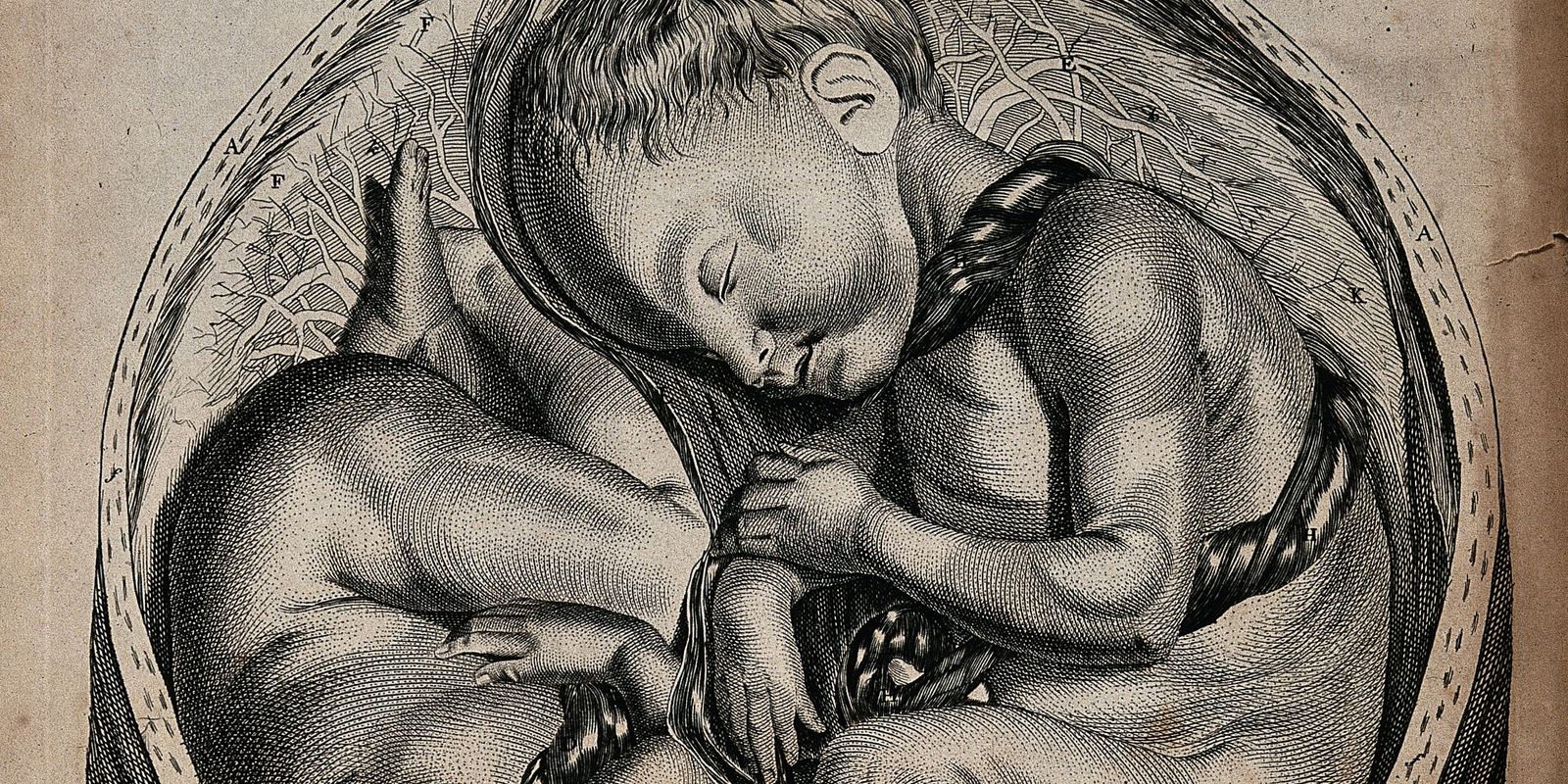
Twins in the womb, engraving: see file page, CC BY 4.0
Two kinds, or three?
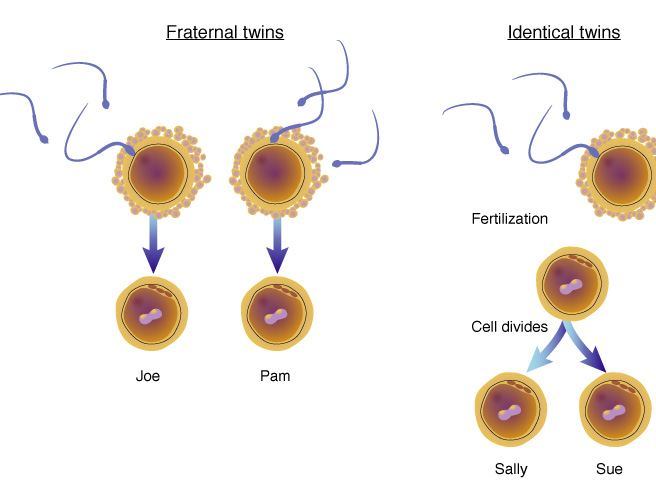
For most of history, scientists described two kinds of twins. Identical twins form when one fertilised egg splits in two. Fraternal twins form when two separate eggs are each fertilised by a different sperm. In the 2000s doctors confirmed that there is a rare third way, sitting in between.
Semi-identical twins, known to scientists as sesquizygotic twins, begin when a single egg is fertilised by two sperm at almost the same moment. Normally an egg with two sets of genetic material from the father cannot develop into a healthy baby. In these extremely rare cases, the cells seem to sort themselves so that each twin ends up with a working set of genes.
The first two cases
The first case was reported in the United States in 2007, after doctors examined a pair of twins born with unusual features. Genetic tests showed they shared all of their mother's DNA but only part of their father's.
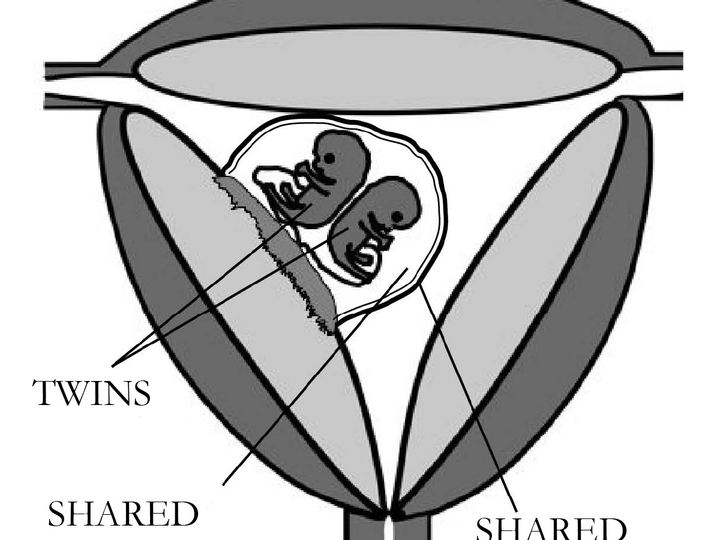
The second case was described in 2019 by doctors in Brisbane, Australia. This time the twins, a boy and a girl, were identified during pregnancy, when an ultrasound showed they shared one placenta, the usual sign of identical twins, yet they were different sexes. Tests later showed that they share all of their DNA from their mother and a large part, but not all, of their DNA from their father.
How common could it be?
When the Australian team searched genetic data from almost 1,000 other fraternal twin pairs, they did not find any further examples. That suggests semi-identical twins are extraordinarily rare, though some may never be noticed, because without detailed genetic testing they look like ordinary fraternal twins.
Scientists have also proposed another rare type, polar body twins, which might form when a small cell left over from the egg's development is fertilised. They have not been confirmed with the same certainty.
What it teaches us
Semi-identical twins show that biology does not always fit neat boxes. Twinning is better seen as a spectrum, from fraternal twins who share about half their genes, through these rare in-between cases, to identical twins who share almost all.
For twin researchers, cases like these are a reminder to test rather than assume. A shared placenta usually means identical twins, but not always, and modern genetic testing can now tell parents exactly what kind of twins they have.
Doctors say it matters to identify such twins early, because a shared placenta brings the same pregnancy risks as for identical twins, so mother and babies need careful monitoring.
- Twins in the womb, engraving: see file page, CC BY 4.0
Text written by Actual Twin.