The Twinflower
The paired bells Linnaeus loved. The twinflower grows tiny pink bells in pairs on a forked stem across the northern forests. It was the favourite plant of the scientist who named it.
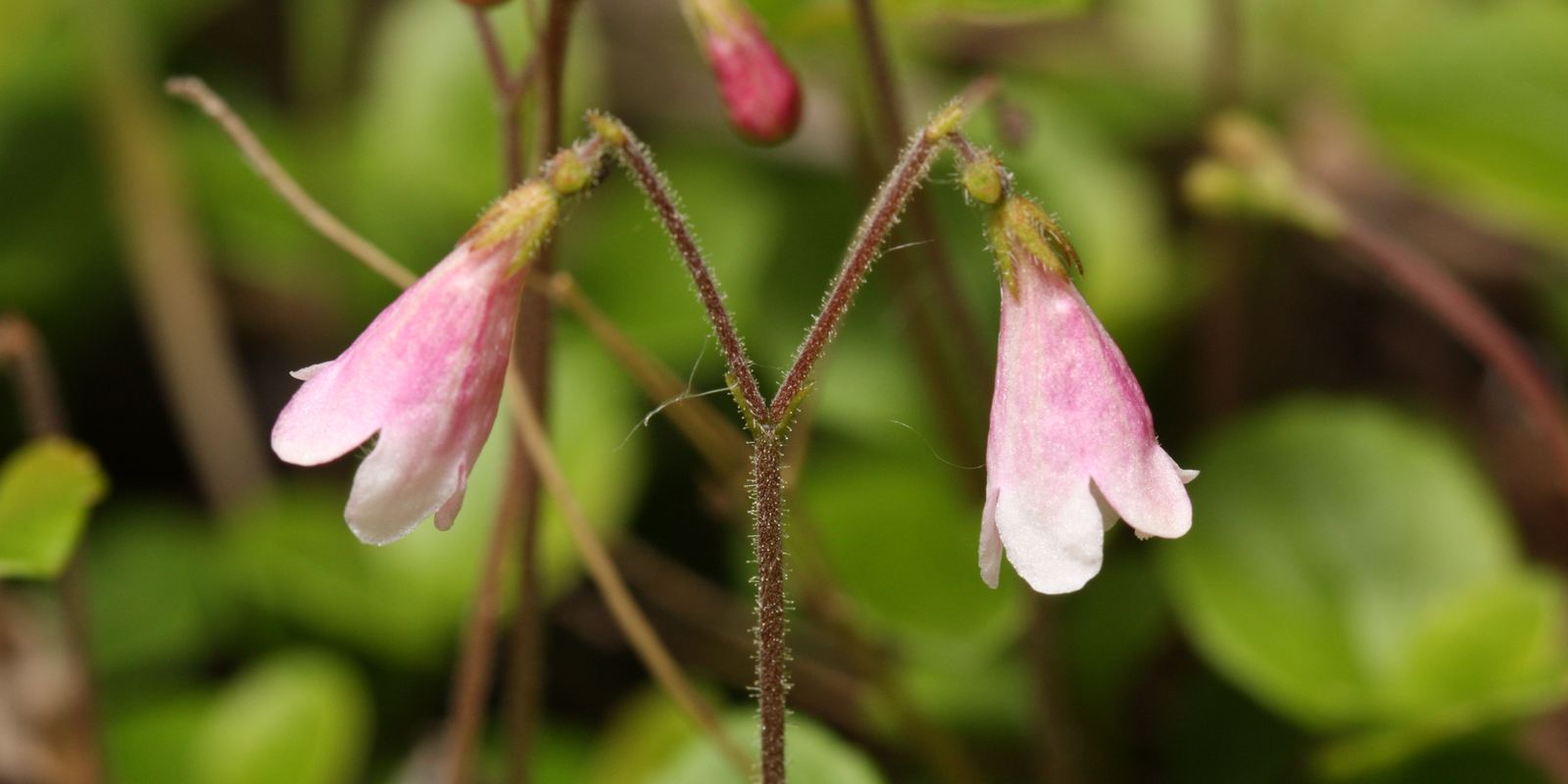
Twinflowers in bloom: Walter Siegmund (talk), CC BY-SA 3.0
Flowers that come in pairs
Walk through a cool pine or spruce forest in the far north in early summer and you may smell the twinflower before you see it. This low, creeping plant sends up thin stems a few centimetres tall. Each stem forks at the top, and from each tip hangs a small, pale pink bell. The two flowers dangle side by side like a pair of earrings, which gives the plant its common name.
The flowers have a sweet, almond-like scent, strongest in the evening, and are visited by small bees and flies.
Each flower is only about one centimetre long.
A scientist's favourite
The twinflower's scientific name is Linnaea borealis. It honours Carl Linnaeus, the Swedish naturalist of the 1700s who created the two-part naming system that scientists still use for every species. Linnaeus loved this modest plant and chose it as his personal emblem.
Portraits of Linnaeus often show him holding a sprig of twinflower, and it appeared on his coat of arms when he was honoured later in life. A colleague, the botanist Jan Frederik Gronovius, gave the plant its official name in honour of Linnaeus, who then used it in his own work.
Where it grows
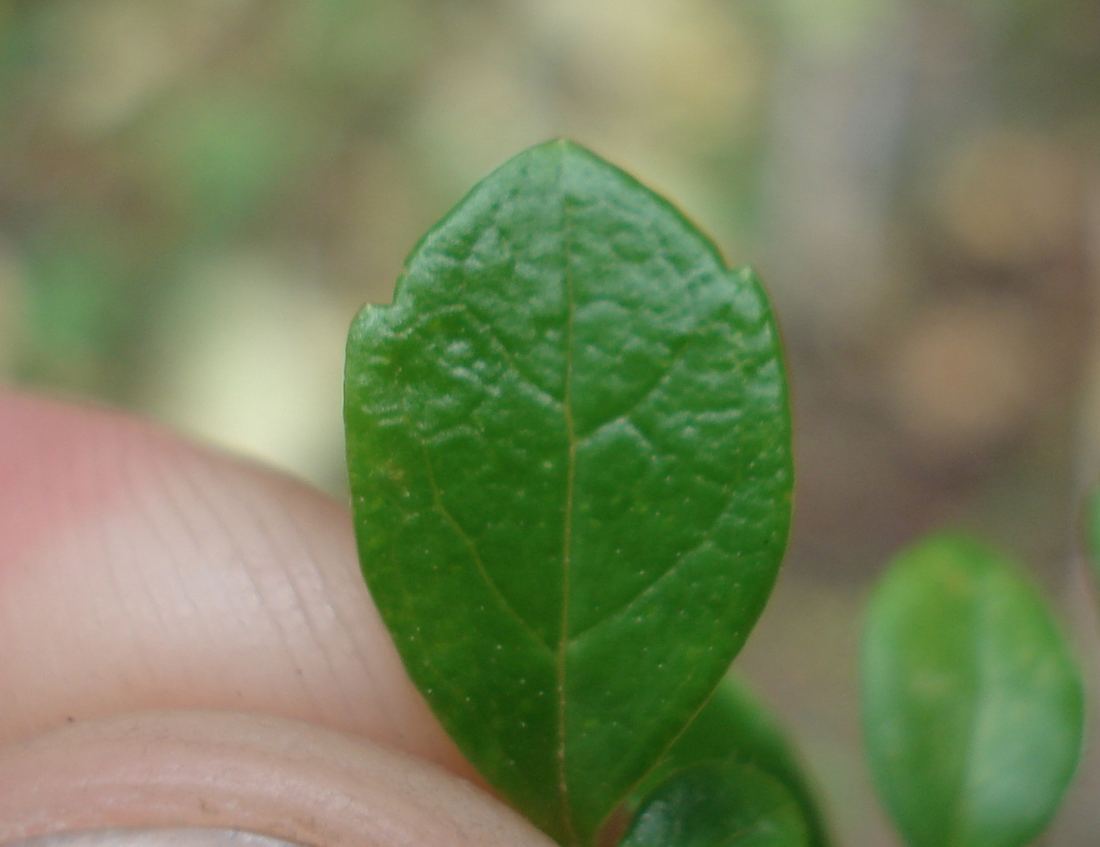
Twinflower is circumboreal, meaning it grows in a ring of cool northern forests around the whole Northern Hemisphere: across Scandinavia, Scotland, Russia, Canada, Alaska and the northern United States, and in mountain forests further south. It spreads by long runners that creep across moss and fallen needles, forming mats of small, rounded evergreen leaves.
It prefers shade, moisture and acidic soil, and in some places, such as parts of Britain, it has become rare as old forests have shrunk.
In Sweden the plant is called linnea, and it is the provincial flower of Smaland, the region where Linnaeus was born in 1707.
Twins everywhere in nature
The twinflower is a good reminder that nature loves pairs. Many plants carry their flowers or leaves in twos, and botanists use the pattern to help identify species. Next time you are in the woods, look closely at the forest floor: twins are hiding in plain sight.
If you find twinflower in the wild, enjoy the scent and take a photo, but leave it in place. It grows slowly and does not transplant well.
The paired flowers produce small fruits covered in sticky, hooked hairs that cling to fur and feathers, so passing animals carry the seeds to new places.
- Twinflowers in bloom: Walter Siegmund (talk), CC BY-SA 3.0
- Twinflower leaves: Sancho McCann, CC BY 2.0
Text written by Actual Twin.